Furniture encompasses a broad range of items designed to support daily living, comfort, and sustainable interior design. This category highlights essential characteristics of residential furnishings, including construction methods, material choices, and ergonomic considerations. Understanding how furniture supports posture, storage, and room layout helps homeowners create functional, aesthetically cohesive spaces.
Within the realm of bedroom and living room furniture, materials such as solid wood, engineered wood, metal, and upholstery play a critical role in durability and feel. In-depth knowledge of finishes, joinery, and ergonomics informs decisions about longevity, maintenance, and how items age with natural use in residential environments.
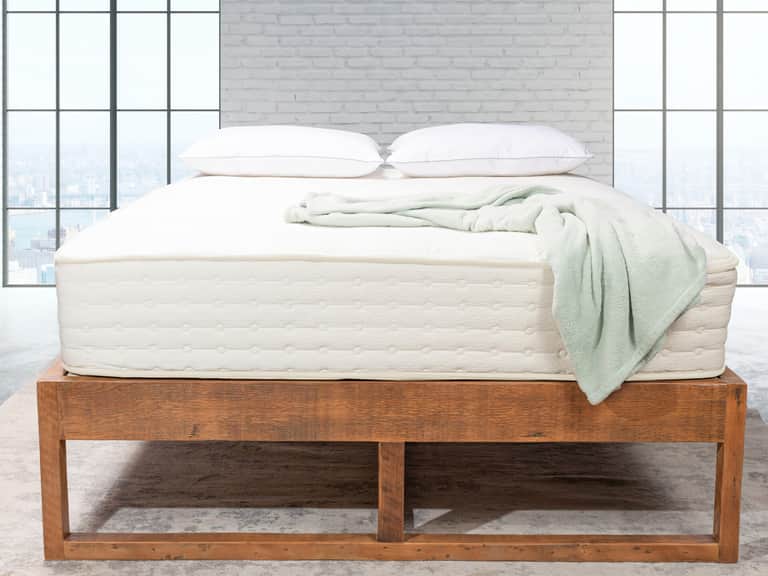
The Clean Bedroom Taconic Bed exemplifies how design and function merge in furniture. It emphasizes a balanced silhouette, sturdy framing, and appropriate support to promote restful sleep. Features like slat systems, mounting options, and compatibility with various mattress types illustrate practical decisions that influence daily comfort.
Key considerations for selecting furniture include scale, proportion, and space planning. Understanding room dimensions, flow, and storage needs helps individuals choose pieces that maximize usability without overwhelming a space. This approach also involves evaluating comfort, accessibility, and compatibility with existing bedding such as sheets, pillows, and down pillows.
In this educational overview, the integration of furniture with bedding and textiles—such as bedding, sheets, and pillows—highlights how tonal harmony and tactile quality contribute to a cohesive bedroom environment. Recognizing how furniture supports daily routines and relaxation frames a practical, informed approach to interior design.
 Furniture