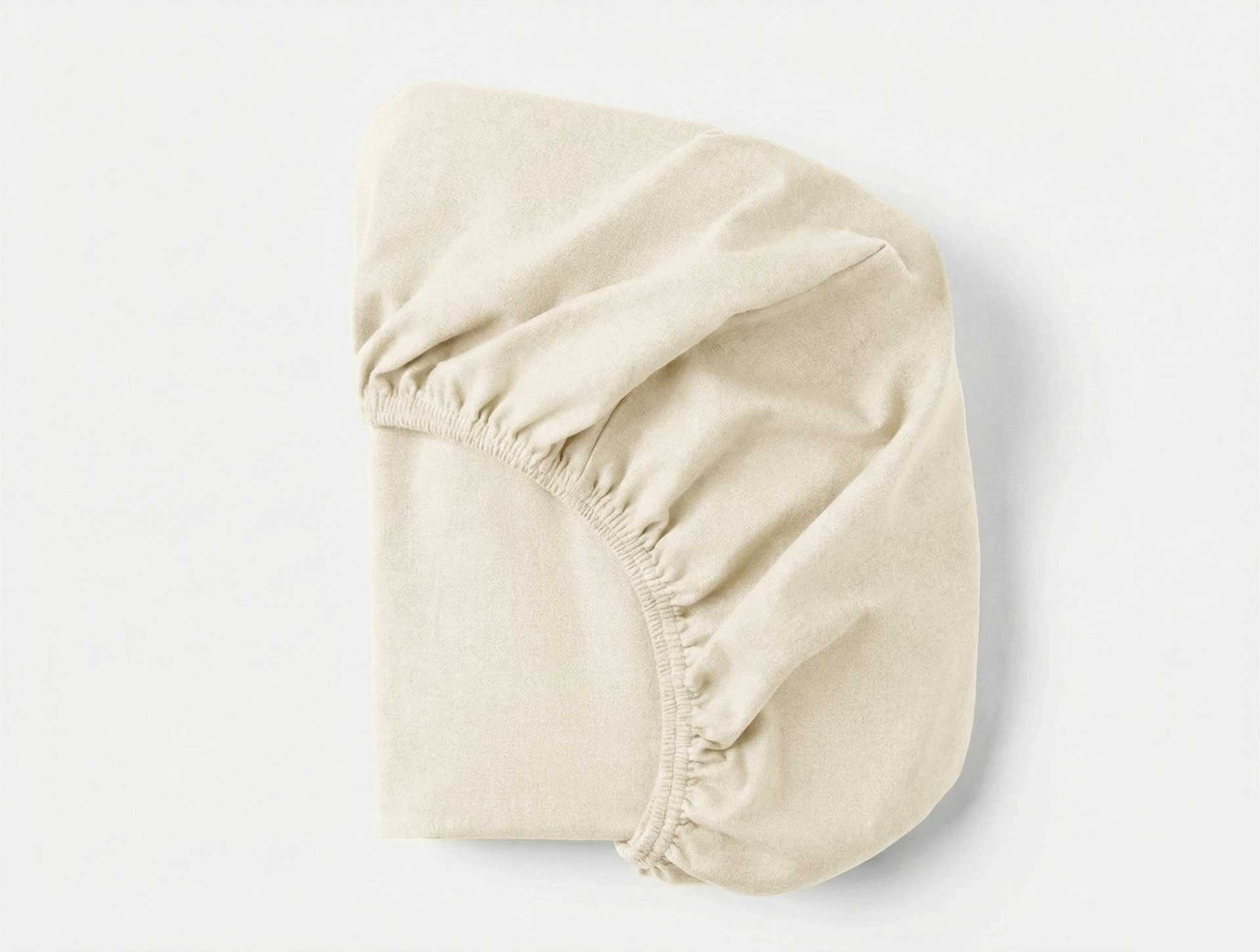
Cloud Brushed™ Organic Flannel Crib Sheet
Soft, velvety feel every night thanks to brushed 100% organic cotton, GOTS-certified for trusted care. Easy to wash, comfy warmth for baby, and a dependable fit that stays soft wash after wash.
A stylish, editorial deep dive into organic bedding that blends environmental responsibility with everyday comfort. We explore fabrics, certifications, and care, drawing on insights from iconic figures across eras to illuminate how our sleep environment shapes well-being.
When you choose organic bedding, you’re not just picking a softer hand or a cooler night. You’re supporting processes that prioritize environmental stewardship, greenhouse-gas reduction, and safer chemistry in the textiles you and your family rest on. The core fabrics in this space are cotton sateen, cotton percale, and carefully curated blends that prioritize sustainability without sacrificing comfort.
Cotton sateen and percale each offer a distinctive feel. Sateen has a smoother, more luxurious drape with a gentle sheen, while percale provides a crisp, breathable matte finish that keeps hot sleepers cooler. In truly organic options, these weaves are often paired with GOTS (Global Organic Textile Standard) certification, which ensures the textile is made from organic fibers and produced in environmentally and socially responsible ways.
GOTS certification is more than a label—it's a detailed standard covering fiber origin, processing, manufacturing, packaging, labeling, trading, and distribution. It requires a chain-of-custody that traces materials from fiber to finished product, ensuring safe dyes, minimal chemical processing, and fair labor practices. This rigorous framework helps consumers distinguish genuinely organic bedding from products that merely echo the color of sustainability.
In recent years, thoughtful brands have embraced organic materials not as a trend but as a baseline—a rational stance for long-term health and planet-friendly design. Coyuchi and Sleep and Beyond have led with transparent sourcing, enduring quality, and packaging that respects recycling and recyclability. The result is a bedding ecosystem that rewards durability, washability, and comfort, while staying true to ecological values.
When evaluating top-brand options, it’s essential to compare thread counts, finishes, and care requirements in the context of organic certification. Brands like Coyuchi emphasize GOTS certification, strong sustainability stories, and a tactile, natural aesthetic. Sleep and Beyond offers deep-pocket, 300-thread-count cotton sateen sheets that balance softness with durability. The Clean Bedroom’s down-filled pillows and duvet ensembles highlight natural materials paired with rigorous certifications and responsible production ethics.
Care tips matter as much as the fabric choice: machine washing on gentle cycles, using mild detergents, and avoiding high heat can extend the life of organic textiles. A simple rule of thumb is to wash in cold water and dry on a low-heat setting to preserve fiber integrity and the natural softness of the material. Proper care protects the environment by reducing fabric waste and chemical runoff from frequent laundering.
For families and caretakers, the combination of transparent certifications, long-lasting fabrics, and practical care guides helps build a sleep environment that is not only comfortable but ethically mindful.
Across centuries, three individuals—each from a different era—help illuminate how we think about comfort, industry, and the ethics of materials. Their stories anchor our modern choices in a human, narrative context.
While best known for pioneering radioactivity research, Curie’s ethos of rigorous testing and cautious approach to hazardous materials resonates in how today’s textile science treats chemical finishes and safety. In the context of organic bedding, Curie’s spirit reminds us to insist on rigorous safety standards (like GOTS) and to demand transparent reporting of processing methods. The bedding world benefits when manufacturers disclose dye chemistry, fiber processing, and any potential irritants, inviting consumers to make fully informed, science-based choices for sleep health.
Addams’s advocacy for dignity, safety, and community well-being translates into how we design and source bedding for every household. Organic bedding isn’t merely a luxury; it’s a statement about safe sleeping spaces for families, especially children and those with sensitive skin. Addams’s legacy calls for inclusive access to healthy textiles, fair labor practices, and responsible packaging that minimizes waste while maximizing longevity and sleep quality across diverse households.
Goodall’s lens on ecosystems informs the broader ethos of organic bedding—how the health of cotton crops, pesticide usage, water cycles, and soil quality shape the fibers that reach our sheets. Her perspective invites us to consider the entire supply chain: regenerative farming, reduced chemical input, and product lifecycle. The fabrics that cradle our bodies deserve guardianship that respects the planet’s living systems, a philosophy that underpins genuine organic certifications and durable design.
Care is a conversation between fabric, detergent, and washing machine, and it starts with understanding the material itself. Organic cotton fibers respond well to gentle handling, lower temperatures, and minimal chemical exposure. The following guidelines help maintain comfort and integrity over years of use.
For nursery comfort, the Cloud Brushed Organic Flannel Crib Sheet from Coyuchi represents a tactile harmony of softness, safety, and durable care. This crib sheet is woven from 100% organic cotton, brushed for velvety warmth, and carries the esteemed GOTS certification. It’s designed for easy care, with machine-wash friendliness and a dependable fit for standard crib mattresses.
The sheet’s origin story—organic cotton grown in Turkey and woven in Portugal—speaks to a global, responsible supply chain that aligns with a sleep environment built on trust. Its brushed texture yields a comforting surface for infants, while the natural fibers provide breathability that helps regulate infant temperature across seasons.
As a practical example of the organic bedding ecosystem, this crib sheet highlights how a single product can embody ethical sourcing, performance, and child-friendly design in one package. It also demonstrates the ongoing collaboration between cotton farming communities, mills, and brands to deliver bedding that is safe, durable, and family-friendly.
Coyuchi • 28" W x 52" L x 8" D • Flannel crib sheet • 100% organic cotton • GOTS certified
Note: Images and product previews are provided for reference. If you’d like, I can display images for any chosen items from the catalog to accompany this feature.
Organic bedding is more than a product category. It’s a commitment to safer sleep environments, honest supply chains, and durable design. By prioritizing organic fabrics, credible certifications, and mindful care, you cultivate a nightly ritual that respects your body and the world around you.
As this guide demonstrates, you can engage with bedding as a thoughtful, editorial experience—one that blends sensory comfort with ethical responsibility. The future of sleep is gentle on both people and the planet, and it begins with the sheets you choose tonight.
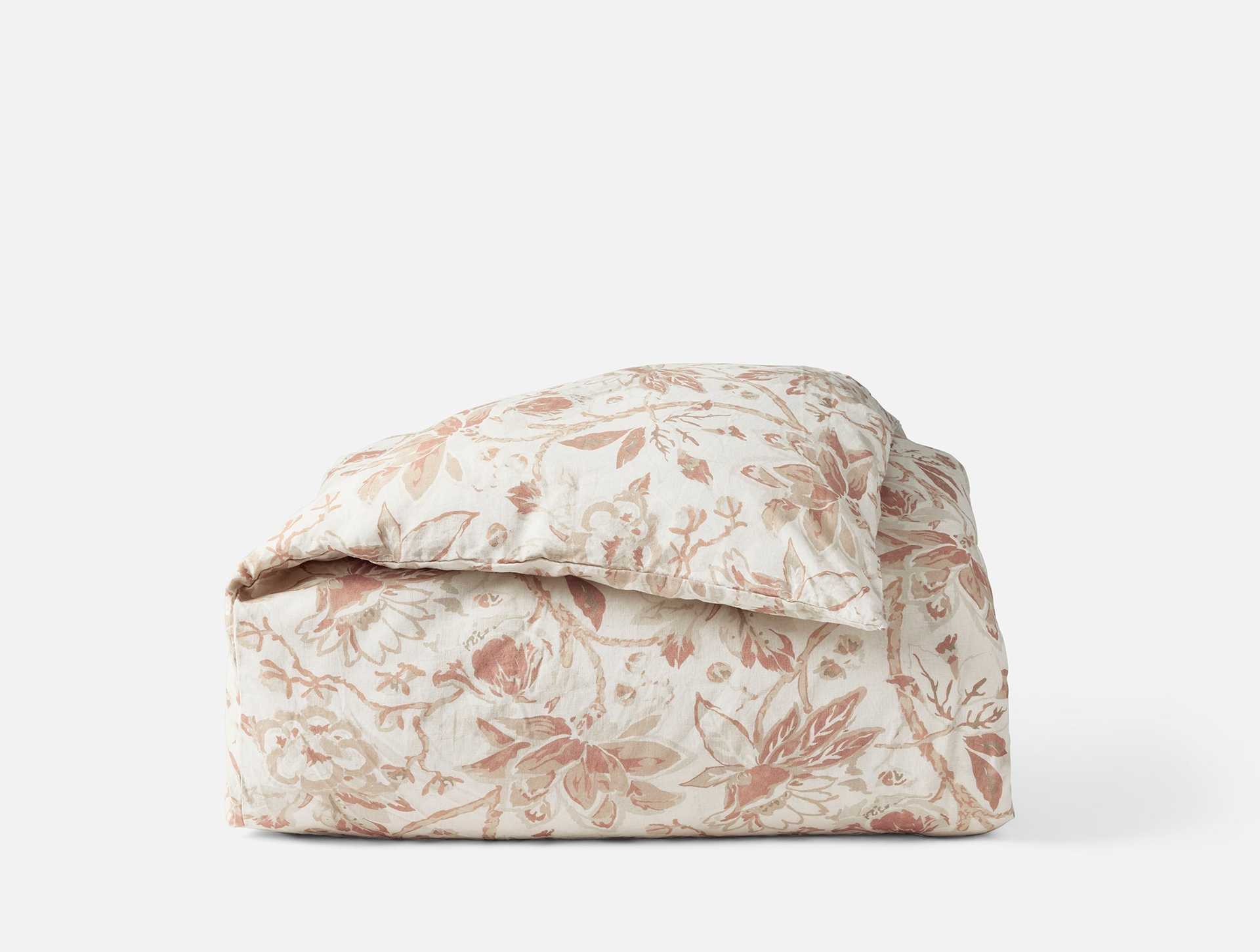
Images for featured products can be displayed upon request. The Sea Bloom duvet cover and the Cloud Brushed Organic Flannel Crib Sheet are ready to accompany this piece in a product-illustration section.